
AI Discovery signals in local search in 2026
In 2026, AI discovery signals for local search focus on machine readability, intent-based context, and verified credibility across the digital ecosystem. Unlike traditional SEO, which prioritizes keywords, AI discovery (often called Answer Engine Optimization or AEO) relies on signals that help LLMs and AI agents synthesize and recommend businesses directly within conversational interfaces.
Examples of AI Discovery Signals
- Review Sentiment and Detail: AI scans review text to extract specific pros and cons. A high star rating is less important than descriptive reviews mentioning specific services (e.g., "best vegan options") or neighborhoods.
- Structured Data (Schema Markup): Machine-readable code-such as LocalBusiness, Product, and Review schema-tells AI exactly what a business offers, its location, and pricing.
- Natural Language & Conversational Content: Content optimized for FAQs and natural questions (e.g., "Who can fix a leaking pipe today?") mirrors how users speak to voice assistants and AI bots.
- Third-Party Citations & Mentions: AI models scan sources beyond Google, including Reddit, Yelp, and local blogs, to verify a brand's authority and community presence.
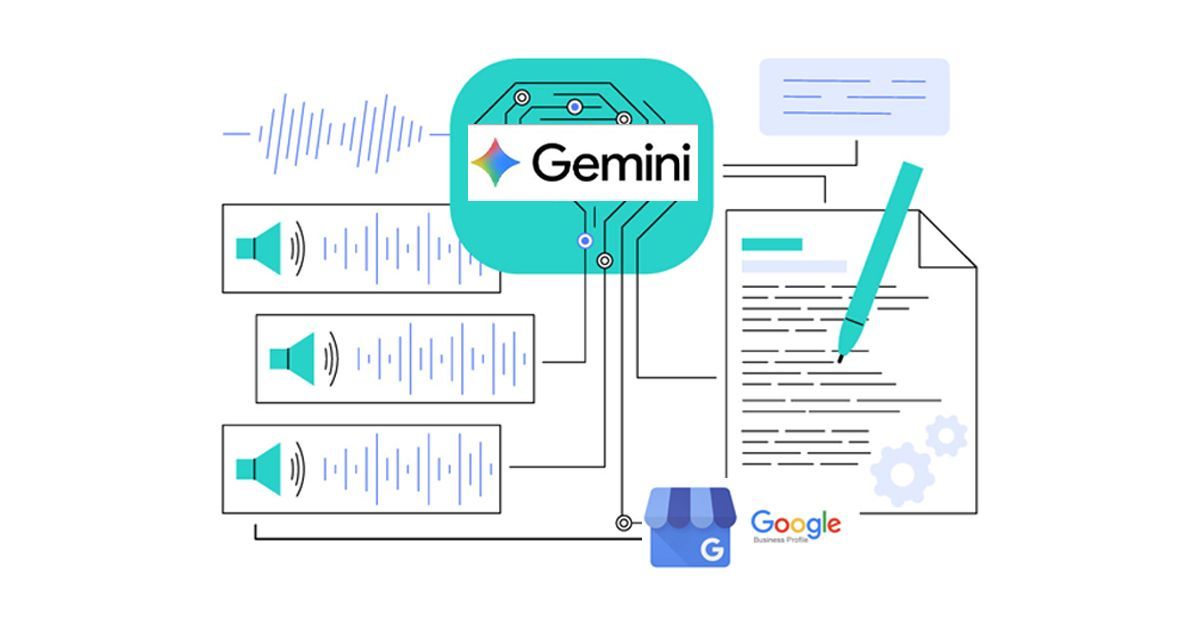
- Visual Recognition: AI analyzes photos and videos uploaded to Google Business Profiles to verify relevance (e.g., recognizing specific dishes or storefronts as visual confirmation of a business's specialty).
- Real-World Intent Signals: AI prioritizes actions like direction requests over simple clicks or calls, as they signal stronger physical intent to visit.
- Entity Consistency: Maintaining identical "Name, Address, Phone" (NAP) data and business hours across all platforms-social media, maps, and directories-builds the "trust equity" AI requires to recommend a business.
- Topical Depth: Building "topic clusters" or interlinked guides on specific services (e.g., a "winter-ready plumbing" guide) signals high topical authority to AI search engines.
- Personalization & Geolocation: AI factors in a user's real-time location, past browsing history, and specific device type to tailor local results.
FAQs: AI Discovery Signals in Local Search in 2026
What are AI discovery signals in local search?
AI discovery signals are the data points AI systems use to understand, verify, and recommend local businesses. These include review content, structured data (schema), consistent business info, photos, citations, and real-world actions like direction requests.
Unlike traditional SEO, these signals help AI summarize and suggest businesses inside chat tools and AI search results.
How are AI discovery signals different from traditional SEO?
Traditional SEO focuses on keywords and backlinks.
AI discovery focuses on:
- Meaningful review text
- Machine-readable data (schema)
- Consistent NAP across platforms
- Natural, conversational content
- Third-party mentions
- Visual proof (photos/videos)
- Real-world engagement signals
In short: SEO ranks pages. AI discovery validates businesses.
Do reviews still matter in 2026?
Yes — but how they’re written matters more than star ratings alone.
AI looks for:
- Specific services mentioned
- Neighborhood references
- Detailed experiences
- Pros and cons
For example, “fast same-day brake repair in Milford” is far more powerful than “great service.”
What role does schema markup play in AI discovery?
Schema tells AI exactly who you are and what you offer.
Using structured data like:
- LocalBusiness
- Product / Service
- Review
- FAQ
helps AI understand your services, location, pricing, and credibility — making it easier to recommend you in conversational results.
Why is NAP consistency so important?
NAP (Name, Address, Phone) consistency builds trust with AI.
If your business info varies across Google, Yelp, Facebook, and directories, AI sees uncertainty. Matching details everywhere creates “entity confidence,” which directly impacts whether AI includes your business in recommendations.
How can a local business improve AI discovery in 2026?
Start with these basics:
- Collect detailed customer reviews
- Add schema to key website pages
- Publish FAQ-style, conversational content
- Keep NAP identical across all platforms
- Upload real photos to Google Business Profile
- Build service topic clusters on your site
- Earn mentions on third-party sites
- Track real-world actions like direction requests
Think ecosystem, not just website.