
AI-Powered Evolution in Google Search: Essential Takeaways
AI Making Search Smarter and Better Connected to the Web
Google is closing the divide between standard search results and interactive chatbots, allowing users to enjoy seamless conversations while maintaining Search's core strengths like speed, trust, and direct web links.
User Preferences in AI Mode
Users appreciate the ability to ask follow-up questions without repetition, combined with reliable web connections that keep information grounded in real sources.
Implications for Marketers
This shift to chat-like interactions increases query complexity and commercial intent, creating more ad opportunities.
- Many AI Mode searches lead to follow-ups, expanding reach.
- Tools like AI Max for Search and Performance Max help advertisers connect with curious users at scale.
Search and the Web Becoming More Visual
Google observes a strong user shift toward diverse content formats beyond text, emphasizing visuals that make learning and discovery more engaging.
Changing Content Demands
Preferences now include podcasts, videos, and image-rich pages, reflecting how people consume information in everyday life.
Implications for Marketers
Multimodal discovery blends images, videos, and text, making journeys more dynamic.
- AI simplifies creating visuals for features like Google Lens and Circle to Search.
- Leverage existing assets like YouTube videos; Asset Studio's tools, including models like Nano Banana Pro, scale creatives efficiently.
Building for People: The Core Strategy Regardless of Acronyms
Google's fundamental guidance hasn't changed-prioritize high-quality, human-centered content that showcases expertise and uniqueness in an AI-driven landscape.
AI's Impact on Content Creation
Techniques like query fan-out break down complex questions, favoring in-depth content over broad, shallow overviews.
Implications for Marketers
Focus on unique, satisfying material that aligns with longer, specific queries and multimodal searches.
- Support text with quality images and videos for richer responses.
- Keep Merchant Center and Business Profile updated to thrive in evolving user needs, opening new site opportunities.
AI Improving Ad Relevance and Usefulness in Search
Google ensures ads integrate seamlessly by focusing on high relevance, especially as users express commercial needs through detailed searches.
Opportunities in Commercial Queries
Ads provide value in scenarios like product purchases, helping users discover brands while targeting niche interests precisely.
Implications for Marketers
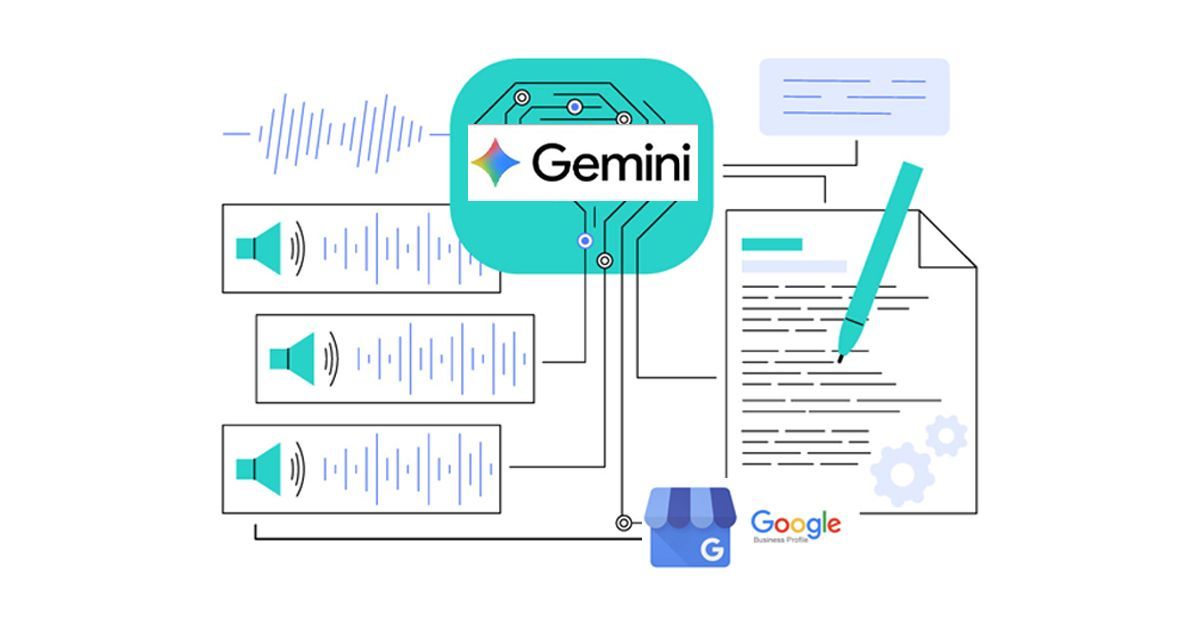
Smarter Search matches intents better, turning ads into helpful answers powered by Gemini models.
- AI Max, launched in 2025, accesses billions of previously untapped searches.
- Enhanced relevance at scale delivers personalized, high-quality ads that meet user needs effectively.
Personalizing Search for Greater User Power
Google is enhancing customization options to make Search more tailored, fostering stronger connections between users and their preferred content sources.
Features for Better Connections
Tools like Preferred Sources and subscription experiments allow users to prioritize and access favorite sites easily.
Implications for Marketers
This turns Search into a personalized discovery tool and retention platform.
- Nearly 90,000 unique sources have been selected, from local blogs to major outlets.
- Chosen sites see twice the average clicks, strengthening audiences for publishers and brands.
FAQs
How is AI changing user interactions with Google Search?
AI enables conversational, multi-turn queries in features like AI Mode, making searches more intuitive while keeping strong web links.
What stats highlight AI's impact on ads?
AI Max unlocks billions of new searches, and Gemini models improve intent matching, leading to more relevant ads.
Why focus on visual content in marketing?
Users prefer multimodal experiences; over 90% of AI interactions involve visuals, boosting engagement via tools like Google Lens.
How does personalization benefit publishers?
Features like Preferred Sources result in twice as many clicks for selected sites, with nearly 90,000 unique sources chosen.
Is traditional SEO still relevant with AI?
Yes—creating people-first content remains essential, as AI favors deep, unique material for complex queries.